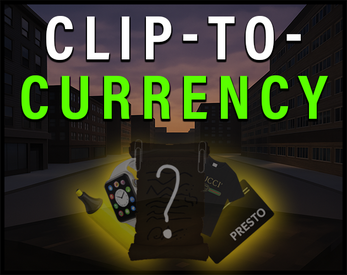
A complete arc, in order: what the game was for, what we built, what the first playtest
said, the rebuild I'm technically proudest of, what the second playtest measured, and the thing neither
playtest was asking about.
01 The brief and the bet
The course was about running a project properly and then measuring what came out of
it, so we owed devlogs, playtest reports and a post-mortem. The game also had to be about something rather
than just existing. We went with wealth inequality, and the way in was the paperclip challenge, that real
story of someone trading a single paperclip up to a house through a chain of people who each agreed to
it.
What we added was that every trade is a conversation with someone who has a reason
for wanting what you've got. You're not clicking through a shop menu, you're getting told in a couple of
lines why this person needs your pen, and then the thing you climb is made out of other people's
situations.
What we were actually going forBy the end of the game the player
should have noticed whose hands all this stuff came out of. Trading up is how you spend your time, but
the noticing is the bit that mattered. Worth holding onto, because I lose it around step 05.
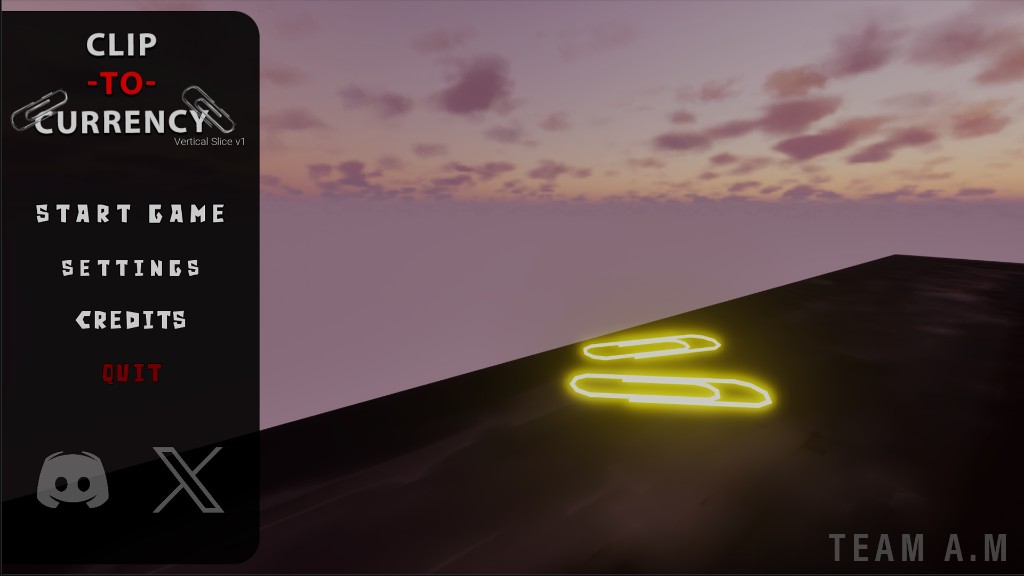
Scope we wanted versus scope we had. The pitch was six to nine levels, each a
different real city, New York through Toronto, Dubai, Tokyo, Cairo, so the same paperclip would be
worth different things in different economies. That was the whole thesis in level-design form.
Two people. One programmer. One semester. We shipped one city and a subway transition. Cutting that
was correct and I'd cut it again, but it is worth naming that the strongest expression of the theme
was in the part we couldn't afford.
02 Building the foundation
Before I could do anything interesting, the game had to reliably know what the player
was carrying. My first inventory made items up on the spot inside whatever Blueprint happened to call it,
so an item's price and icon and name all lived in whichever graph spawned it. If I wanted to change a
price I had to go find it. If an NPC needed to refer to an item I was more or less guessing.
So I rebuilt the whole thing around a data table. Every item is a row now, with a
name, a value, an icon, a category, a trade value and a flag for whether it can be traded at all. The
inventory looks rows up by name and fills an array of structs. It's not a glamorous change and none of the
rest of this would have been possible without it, because after that the game and I were finally talking
about the same objects.
The problem that took longestItems vanished across level
transitions. I solved it by mirroring the inventory array into a standalone game instance on every write,
and refreshing the player's local array from that instance on spawn. It was my first time using instances
and it took a while to understand. The payoff is that a save system is now one variable rather than a
rewrite.
03 Playtest 1: the alpha
Five testers, matched to our target audience of 15 to 25 year old players who like
dialogue but don't have much time. Mostly in person, two remote. Full build, no rules explained, no
developer intervention, headphones required, screens recorded. Average playthrough was three to four
minutes.
The good. The NPC voice landed. Testers specifically called out the slang, said it
felt like talking to a person, and there were laughs in the recordings. The core loop read clearly:
every tester went for the glowing paperclip, talked to the first NPC immediately, then explored. One
detail I still like is that players checked both ways before crossing the road without being asked
to.
The bad. The trading system averaged 4.6 out of 10 on how essential
it felt. Player dialogue options were too long to scan. The subway had nothing to do in it. And in our
own executive summary, sitting in the problems column: misunderstanding of the theme.
The fork in the roadTwo problems were flagged. One was the
mechanic scoring 4.6. One was the theme not landing. I went after the 4.6, because it was the one with a
number attached, and a number is easier to argue with than a feeling.
04 The rebuild
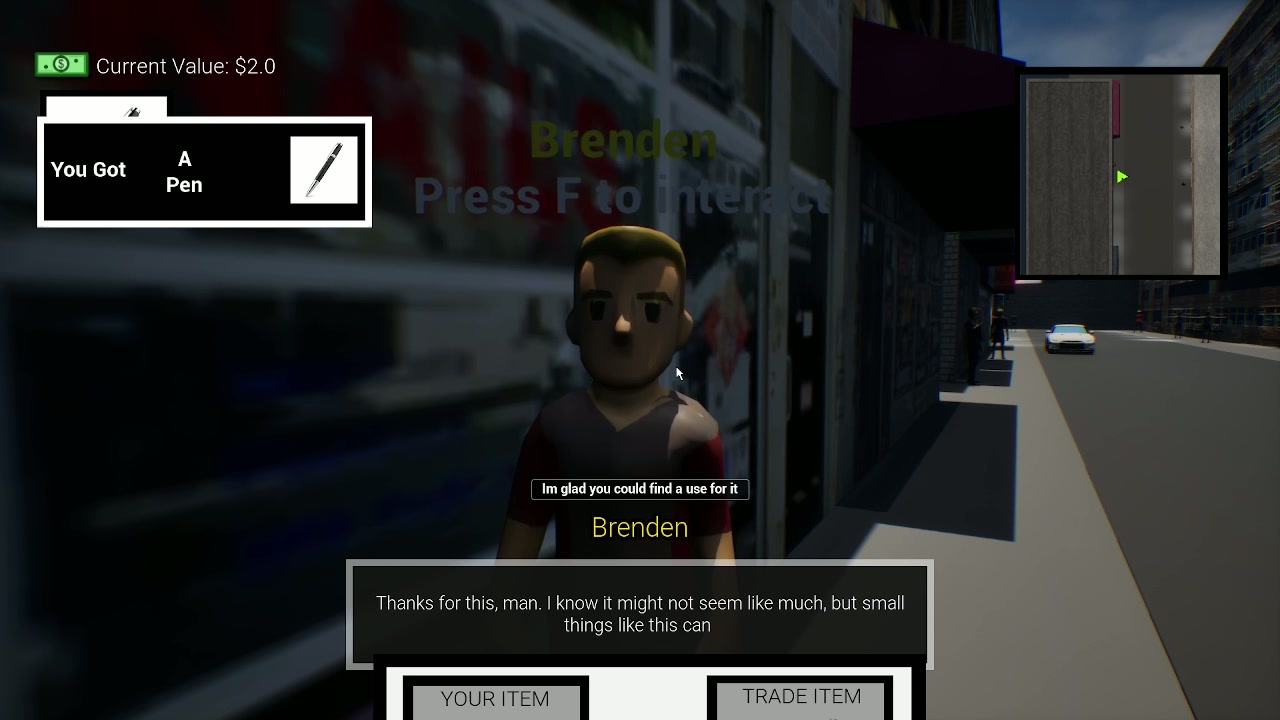
The trades felt restrictive because they were. Every single one was written out by
hand. Brenden always takes the paperclip and always gives you the pen, because I sat down and typed that.
When testers called it linear they weren't being vague, they were describing exactly how it was
built.
So I built a dynamic trading system. When a dialogue option requests a trade, the
game reads the NPC's wealth class, multiplies the player's current item value by that class's range, and
filters the full item table down to what qualifies.
Broke: up to 0.8x your item's value. A bad trade, which you'll usually refuse and
walk away from. That refusal is the point: it's a choice about whether to help someone at your own
cost.
Normal: 1.1x to 1.8x. Most NPCs sit here. A fair climb.
Rich: 1.8x to 2.0x. Roughly double, from people to whom the difference is
nothing.
The filter then strips anything outside that band and removes the item you're already holding, and a
random roll picks from what's left. Item pool is 20 to 30 entries spanning $1 to $120,000 and up, so
the same NPC can give different results on different runs.
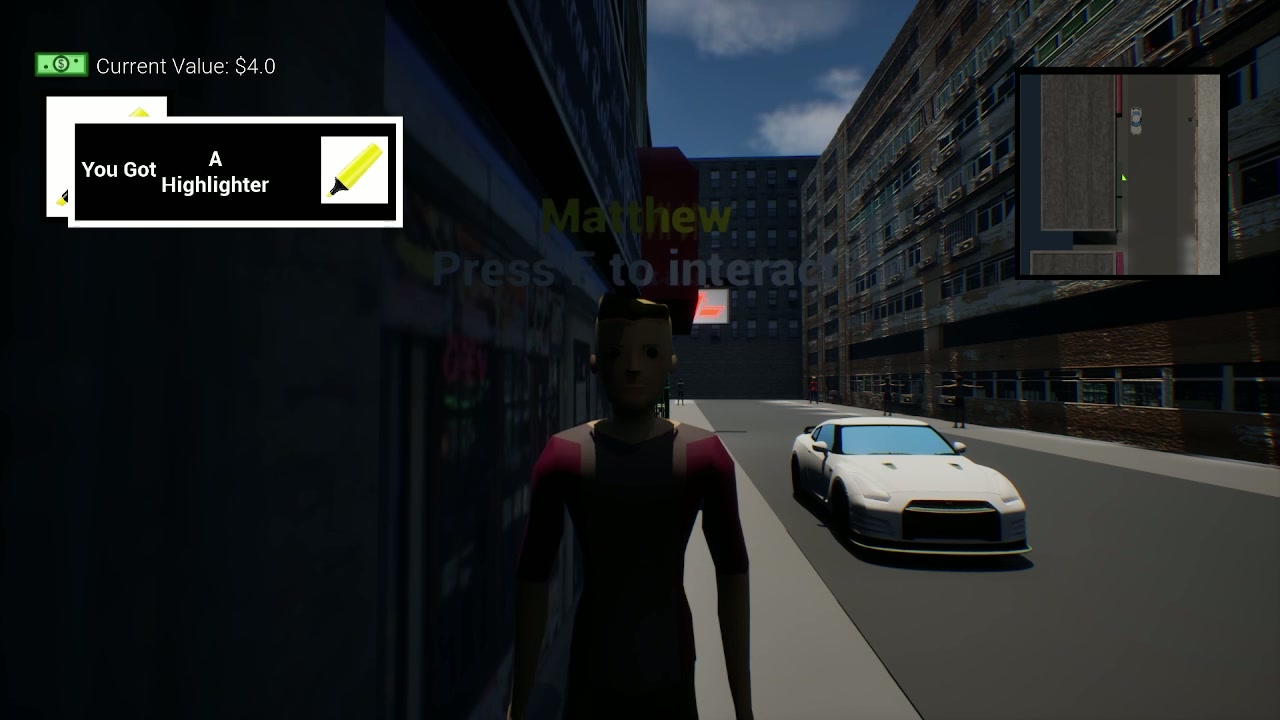
The system running. A $2 pen has just become a $4 highlighter. That is a clean 2.0x,
which means this NPC was in the Rich class and rolled the top of the band. Nothing about that exchange
was authored. The game read a value, read a class, filtered a table and picked.
It took ten to fifteen hours across a couple of weeks and it is the single piece of programming I'm
most proud of on this project. It also unlocked something we needed: with authored trades we were
capped at five or six NPCs per level, because each one was hand-written. Dynamic trades meant the
NPC count could grow without the authoring cost growing with it.
05 Playtest 2: the numbers said yes
Ten testers, ages 13 to 26, half of them 19 to 22. Same protocol, in person, our own
gaming laptops and headphones, minimal intervention, survey after. We asked them to rate the old trading
system and the new one.
The resultThe old system's ratings were scattered from 2 to 6.
The new system landed at 5 to 7, clustering at 6 and 7, with nobody rating it below 5. On the question I
had set out to fix, the rebuild worked. It is a clear, measured improvement and I would make the same
technical call again.
06 What the numbers weren't
measuring
What I hadn't thought about was the writing. With hand-written trades I always knew
which item was changing hands, so Brenden's dialogue could be about the pen specifically, and about
Brenden, and about why someone in his situation needs one. The trade and the story were the same
thing.
Dynamic trades killed that. If the game picks a highlighter at runtime, the dialogue
can't mention the highlighter, so all of it had to get vaguer. It didn't become bad writing exactly, just
writing that couldn't point at anything. The part every single tester had praised, and the part carrying
the entire reason we were making this, got flattened out so the mechanic underneath it could work
better.
The finished vertical slice conveys almost none of the wealth inequality message it was built to
carry. We over-focused on the trading mechanic, made it genuinely better, and lost the game in the
process. The improvement was real and the trade was bad.
The uncomfortable part is that the alpha told us. Misunderstanding of the theme was in our
own problems column before I wrote a line of the new system. I read two findings, picked the one with
a score attached, and spent the rest of the project making the other one worse.
07 What I'd do differently
Gate features against the goal, not against the complaint. Before building the
dynamic system I should have asked one question: does this serve the thing the game is for? The answer
was no, and it was available for free, before the ten to fifteen hours. I now try to write the one
sentence a project exists for somewhere I have to look at it, and hold each feature against that
sentence rather than against the loudest piece of feedback.
Don't fix what isn't broken. The authored trades were not broken. They were
narrow, and testers described narrowness as linearity, and I heard linearity as a defect. The
underlying want was more variety in the fiction, not more randomness in the maths. A shop of authored
trades three times the size would have scored better on both questions.
A metric only answers the question you asked. The 4.6 measured how essential the
trading mechanic felt. Nothing in either survey measured whether anyone left the game thinking about
inequality, which was the only outcome that mattered. If I had instrumented for the goal instead of the
feature, the second playtest would have caught this while there was still time.
Scope to the team you have. Six to nine cities was never real for two people in one
semester. Committing to that early meant every later decision was made under pressure created by a plan
we had already abandoned.
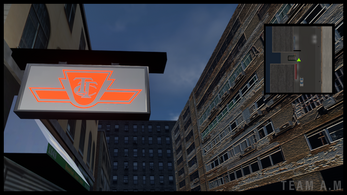
The setting landed without a single landmark. We never showed the CN Tower. We wrote Toronto slang
and put a Presto card and transit signage in the player's hands, and testers placed the city
immediately. Specific, ordinary objects located the fiction better than a skyline would have, and
that is the lesson from this project I have reused the most since.
The technical foundation also held. Data-table items, instance-backed persistence and a dialogue
system built for branching are all still the right calls, and they are why one programmer could ship
a coherent slice at all.