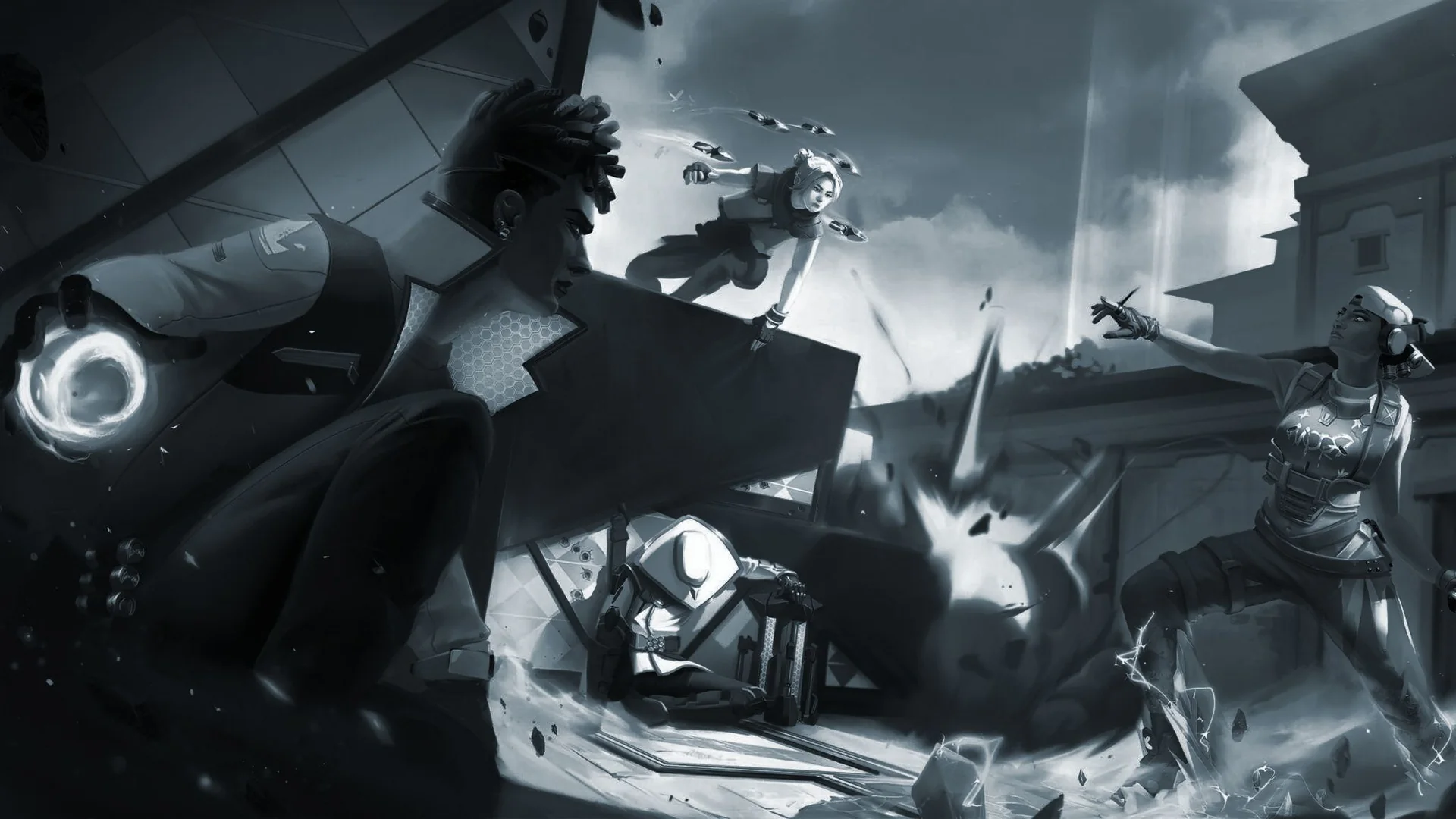
Independent Study · First Year · 2022
Why Players Stay
A first-year systems study on what actually retains players in a free-to-play tactical shooter.
My first real systems study, written in my first year at Sheridan. The question I set was blunt: what specifically keeps players opening a free game every day, and what turns that habit into spending? I picked VALORANT because I had been playing it near daily since I claimed a beta key in the first hours of the Twitch drops in April 2020, so I could check every claim against my own play.
What It Covered
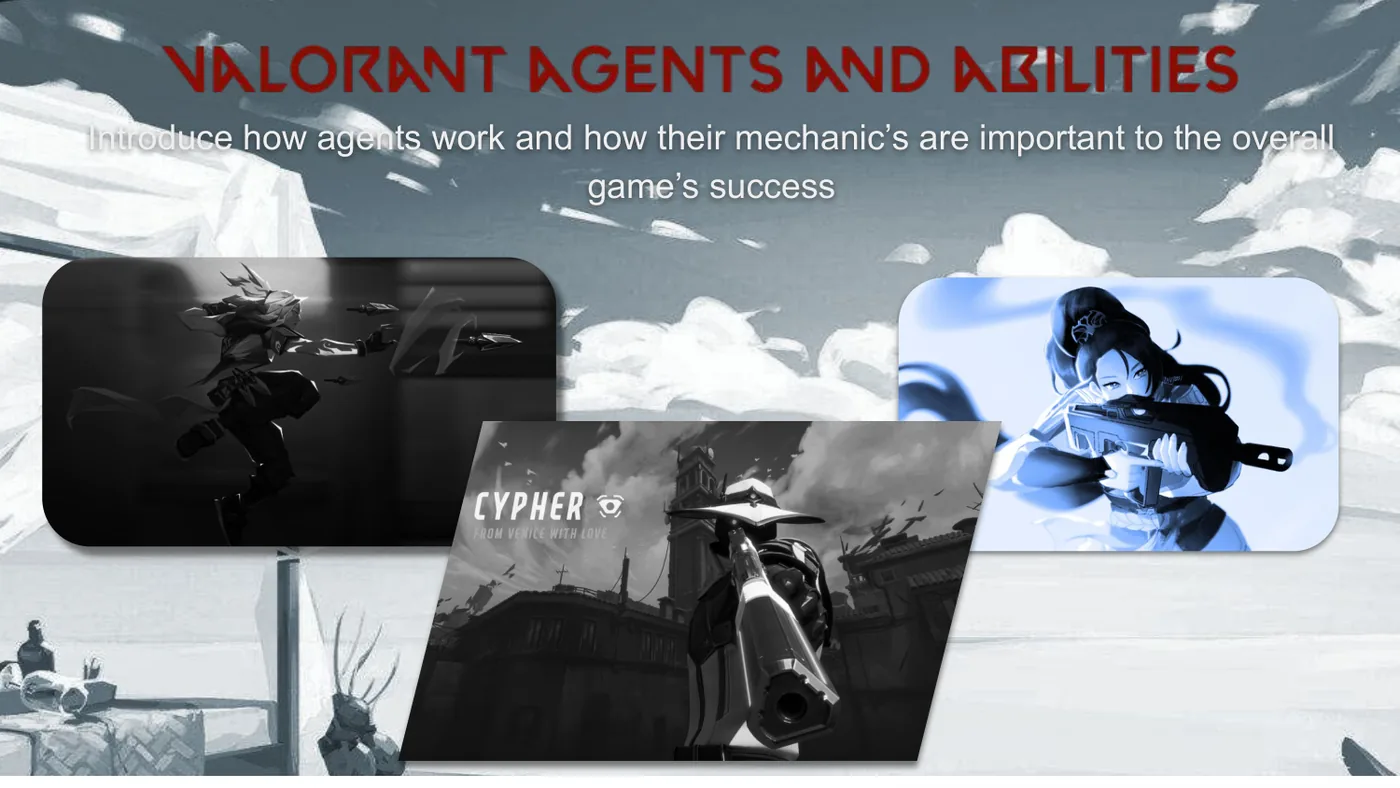
The systems layer. The agent roster as the differentiator against CS:GO, the buy menu and per-weapon economy, and gun mechanics with their competitive weight - how spray patterns, damage and cost combine into a buy decision.
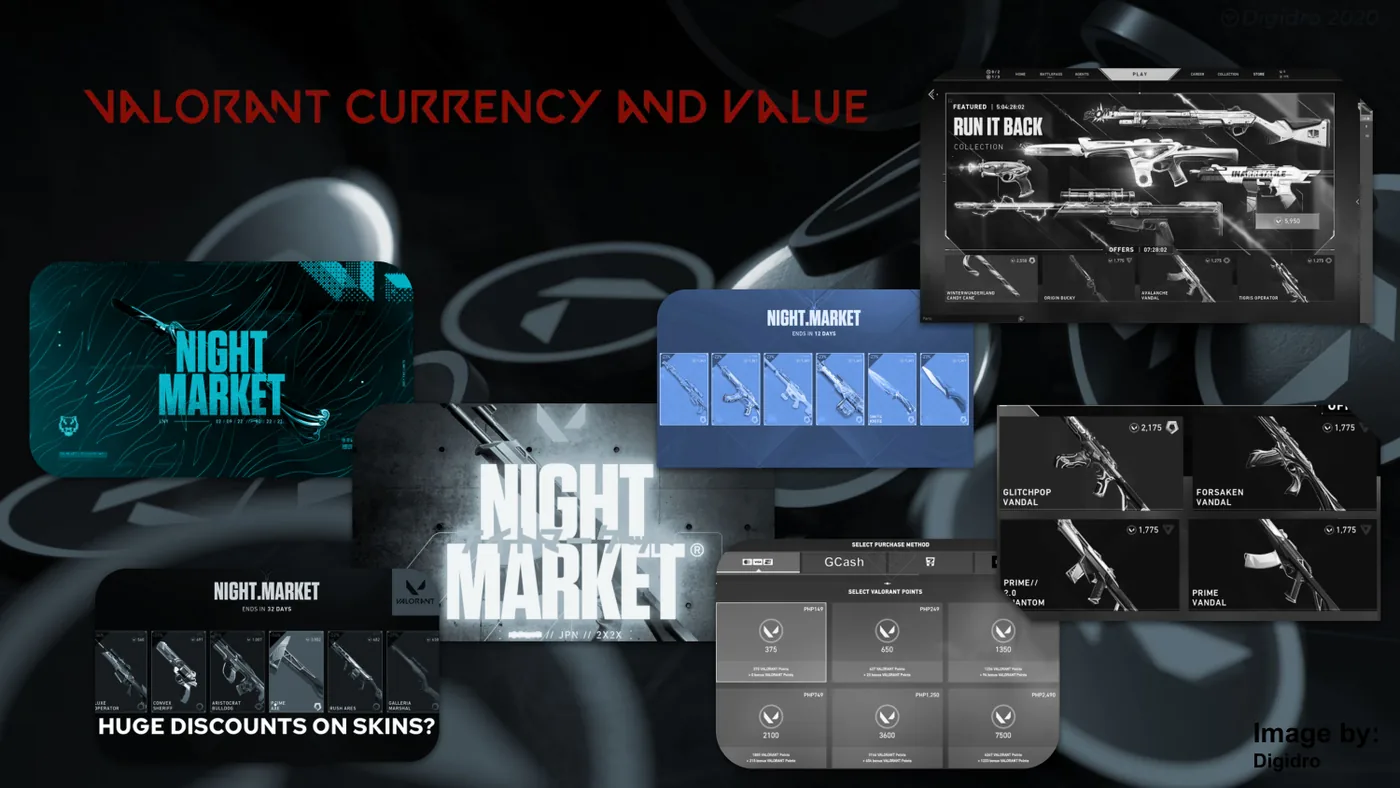
The retention layer. Daily challenges, the ranked system and act rank triangle, and the rotating item shop - three separate reasons to open the client that have nothing to do with wanting to play a specific match.
The last section dealt with community and toxicity, including the systems Riot uses to detect and punish it, which is the part of the study I would still defend without changes.
Method
I worked from published literature rather than opinion. For a first-year assignment the habit that mattered most was going to peer-reviewed sources instead of forum consensus, and it is the reason the 2025 study ends up with charts in it instead of assertions.
What I read
- Peer-reviewed research in Frontiers in Psychology on games and compulsive play.
- Research indexed on NCBI/PubMed covering the same area.
- A study on self-reported addiction among World of Warcraft players.
- VALORANT itself: near-daily play since a beta key from the first hours of the April 2020 Twitch drops, used to check every claim against the live game.
This was a first-year video essay and I did not keep a formal bibliography at the time. The sources above are listed at the level of detail I can stand behind rather than reconstructed after the fact.
Reading It Back
I set out to catalogue the mechanisms that keep players engaged, and I treated engagement and compulsion as close to the same thing. That is the easy conclusion rather than the accurate one. Plenty of what I catalogued - a ranked ladder, a daily challenge, a rotating shop - is simply structure, and structure is what makes a competitive game worth returning to.
The study is fairer than its framing suggests; a full section covers Riot's anti-toxicity work. But I would separate those ideas properly if I wrote it now, and I would be more careful about the difference between a system that holds attention and a system that exploits it.
What I still stand by is the method: name the systems, describe them precisely, and check the claims against sources instead of vibes.
Where This Sits
This is one of five VALORANT studies I chose across four years of my Honours Bachelor of Game Design at Sheridan. I picked the same game all four times, and nobody assigned it to me once. Read all five in order →
VALORANT, its characters, art, and related marks are the property of Riot Games, Inc. This is an independent student study, produced for coursework at Sheridan College, and is not endorsed by or affiliated with Riot Games.