Independent Study · Third Year · February 2025
Matchmaking Manipulation
Designing a monetization dark pattern for VALORANT, and then
designing the version I would actually be willing to ship.
↓
Date
February 2025 · Third year
Course
Game Design 6: Design Patterns
Brief
Design your own dark pattern
Subject
Monetization & matchmaking
The assignment was to invent a dark pattern, meaning a deliberately manipulative design that pulls value out
of players. Most people in the class picked a game they had no relationship with, which I think makes the
exercise too easy. It costs you nothing to be cynical about someone else's game. I picked VALORANT because I
have played it almost daily since 2020, and I wanted to find out whether I could design something genuinely
nasty for a game I actually care about, and then find the line where I would stop.
The Pattern
Buy a skin, get an easier lobby. Competitive shooters run a hidden matchmaking rating
that moves with your performance, and the player never sees it. My pattern hooks that number to the
store. Any premium purchase, a battle pass, a skin, a title, quietly drops your matchmaking score for a
few days.
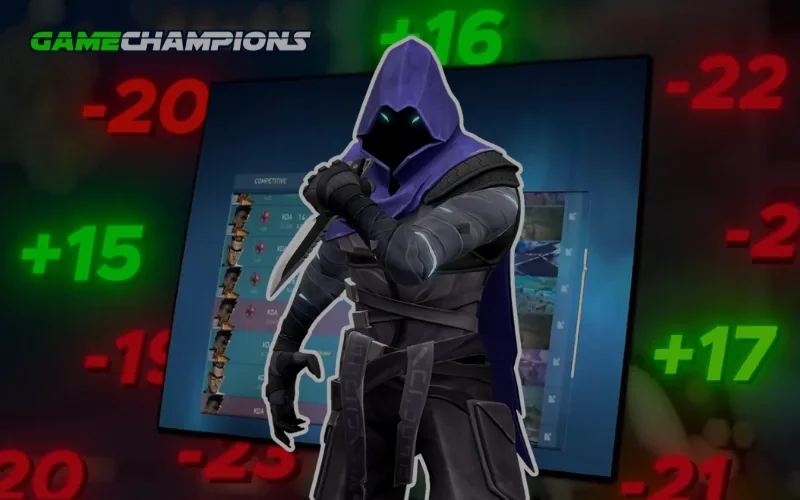
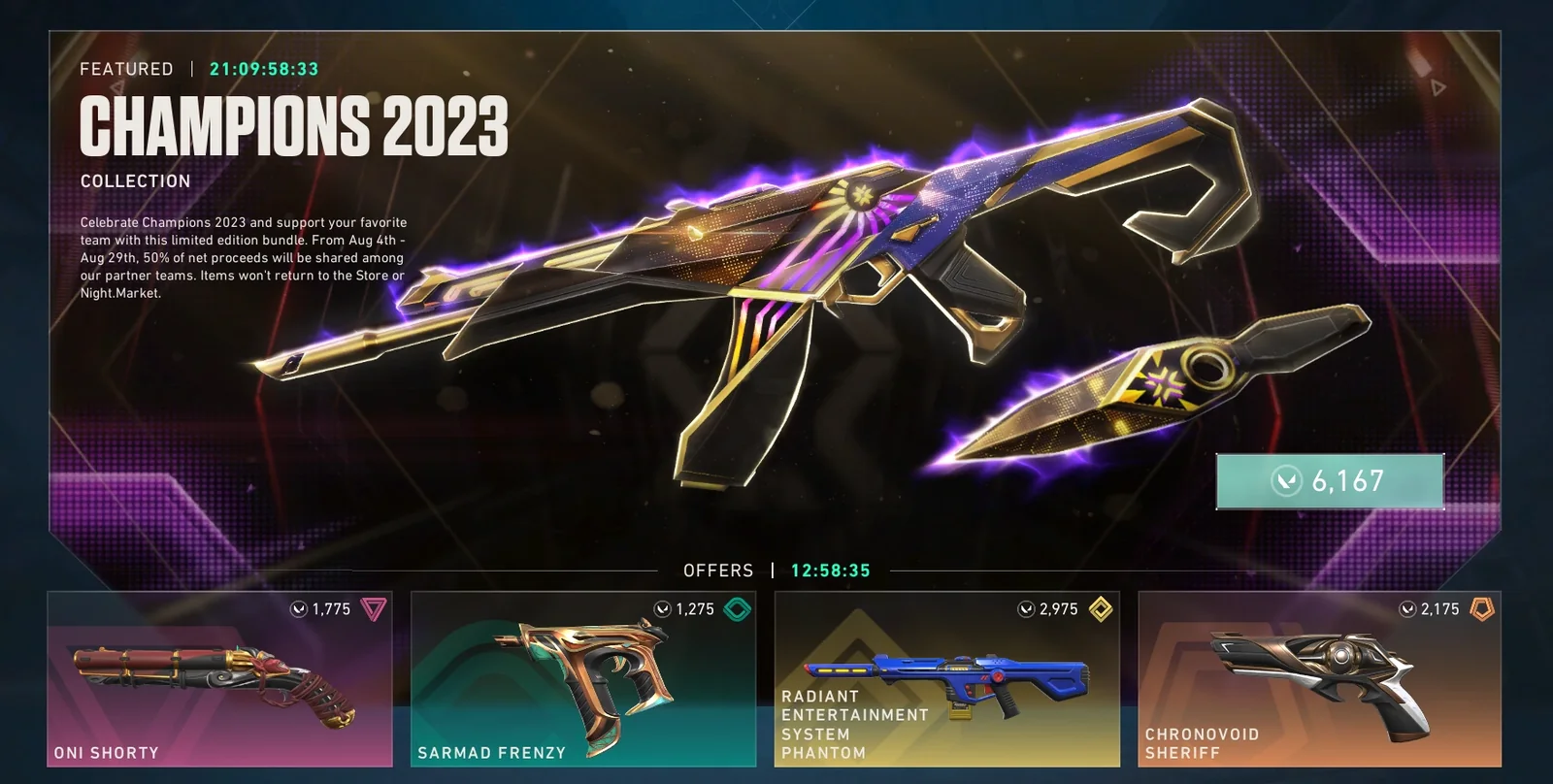
So you buy a knife, and then you go 24 and 9 three games in a row. Nothing on screen tells you the
lobbies got softer, because nothing on screen ever tells you anything about MMR. The only thing that
changed that you can actually point at is the purchase.
Then the boost expires, and this is the part I had to deliberately design rather than stumble into.
Instead of putting the player back at their real skill level, the system nudges them a little above it,
so the lobbies are now harder than the ones they were in before they bought anything. They start losing
more than they used to.
What that leaves you with is a player who has a very specific memory of a week where they were good,
and exactly one thing they can point to as the cause. You are not really selling them a skin at that
point. You are selling them a way back to a feeling you took off them.
I picked this specific mechanism on purpose, because players in basically every competitive
shooter already accuse developers of doing it. Go read any subreddit after a skin drop. That accusation being
common is what makes the pattern viable: if half the playerbase already suspects it and nobody outside the
company can prove it either way, a studio running it has permanent deniability. It hides inside an argument
that was already happening.
The Fix
The assignment ended at inventing the pattern. I kept going and designed a second version
that nobody asked for, because stopping at "here is something horrible I thought of" felt like half an
assignment. Anyone can describe a manipulation. The harder question, and the one an actual studio would be
asking, is whether you can keep the revenue and throw away the harm.
Keep the boost, delete the overshoot. The purchase still eases your matchmaking a
little, briefly, so the good week is real. Then you get walked back down to your actual skill level
gradually, and the system stops there. It never puts you above where you started.
That one change is the entire difference. If you get eased back to your own rank, the story you tell
yourself is that you were on a heater and it ended, which happens to everybody. If you get pushed past
your rank, the story you tell yourself is that the game is punishing you for not spending again. The
studio makes the same money either way. Only one version leaves the player angry.
The purchase still feels good, and the player still half-wonders whether the skin had anything to do
with it. That association is where the money is, and the fixed version keeps all of it. What it drops is
the engineered losing streak that confirms the suspicion.
I know frustrated players spend. They also quit, and they post about why, and in a game with a
playerbase as online as VALORANT's that costs you something real. My rough test for whether a
monetization design is shippable is whether a player would still be fine with it after you explained
exactly how it worked. The first version fails that badly. The second one passes.
What I Took From It
Attribution Is a Design Material
The thing that unsettled me is that this pattern never actually lies. Every number it reports is
true. It works purely by controlling which numbers you can see and letting you draw the obvious
conclusion. That is the same lever a good tutorial uses to make a player feel clever, just pointed the
other way.
The Line Is Usually One Parameter
I expected the fix to need a different system. It needed one parameter changed: where the curve
stops on the way back down. Being able to point at the specific number that makes something predatory
is a lot more useful in a design meeting than saying you are uncomfortable with it.
Study the Thing You Would Refuse to Build
I would not ship the first version. I also understand purchase-linked matchmaking far better than I
would have if I had just written a paragraph about why it is bad, and I think I would spot it faster
now if it turned up disguised in someone else's pitch.
Where This Sits
This is one of five self-directed VALORANT studies I made across four years of my Game
Design degree at Sheridan. It pairs closely with the 2022 study, which asked how this game retains and
monetizes players in the first place. Three years apart, the same question, from opposite ends: first how
the machinery works, then where I would refuse to point it.
Read all five in order →
VALORANT, its characters, art, and related marks are the property of Riot Games, Inc.
This is an independent student study, produced for coursework at Sheridan College, and is not endorsed by
or affiliated with Riot Games. The pattern described here is a hypothetical design exercise and is not a
claim about how any real game operates.